One phone. One launch system. Every channel.
At BLU Products, I helped turn a fast stream of smartphone releases into clear product stories. Each launch had to work across web, retail, email, social, packaging, events, and partner channels while staying accurate, on brand, and ready on time.
The role grew far beyond graphic production.
I moved between product storytelling, web design, retail adaptation, production design, and campaign operations. The work required visual craft, but it also required a system that could absorb last minute specifications, color variants, retailer requests, and production changes without losing the core idea.
- Role
- Graphic Designer, Product, Retail and Digital Experience Design
- Team
- Product, engineering, sales, account management, retailers, warehouse teams, and production partners in China
- Tools
- Photoshop, Illustrator, InDesign, Premiere Pro, After Effects
- Typical pace
- About one phone launch each week during the busiest periods
The market was moving fast.
These numbers describe the company and market during or after the period. They are not personal performance claims.
Sources, public company and market facts: Strategy Analytics, 2015 United States unlocked smartphone volumesBLU Products company profileBLU VIVO XI Plus and VIVO XI Best Buy exclusive announcement, September 2018.
Make every phone feel distinct without rebuilding the process every time.
Speed
Several campaigns could overlap, and specifications could change close to launch.
Accuracy
Product images, storage, cameras, colors, connectivity, and retailer copy had to match the final device.
Range
A rugged phone and a fashion focused phone needed different stories even when they used the same production pipeline.
Adaptation
A BLU master campaign still had to fit the rules, dimensions, and customer expectations of large retail partners.
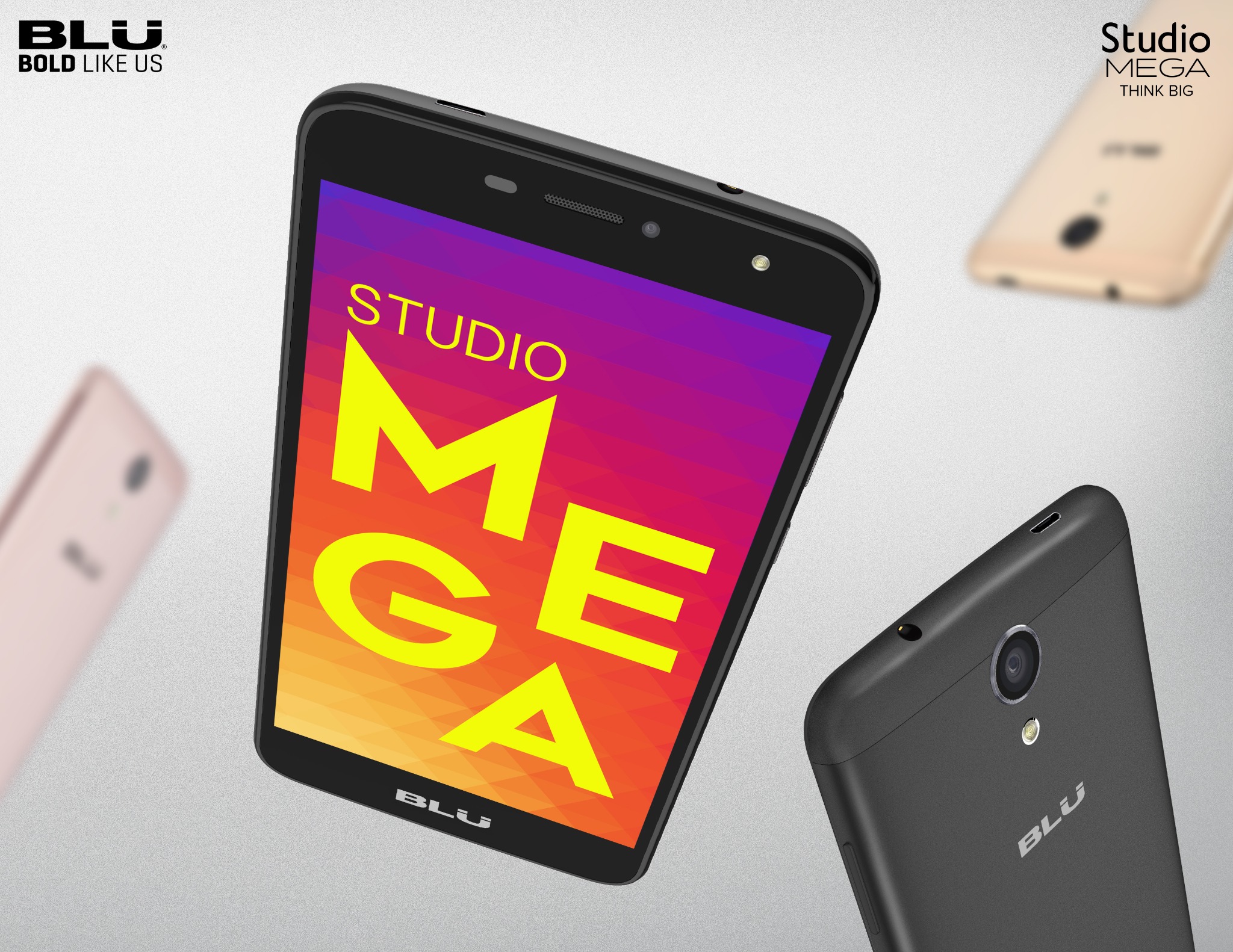
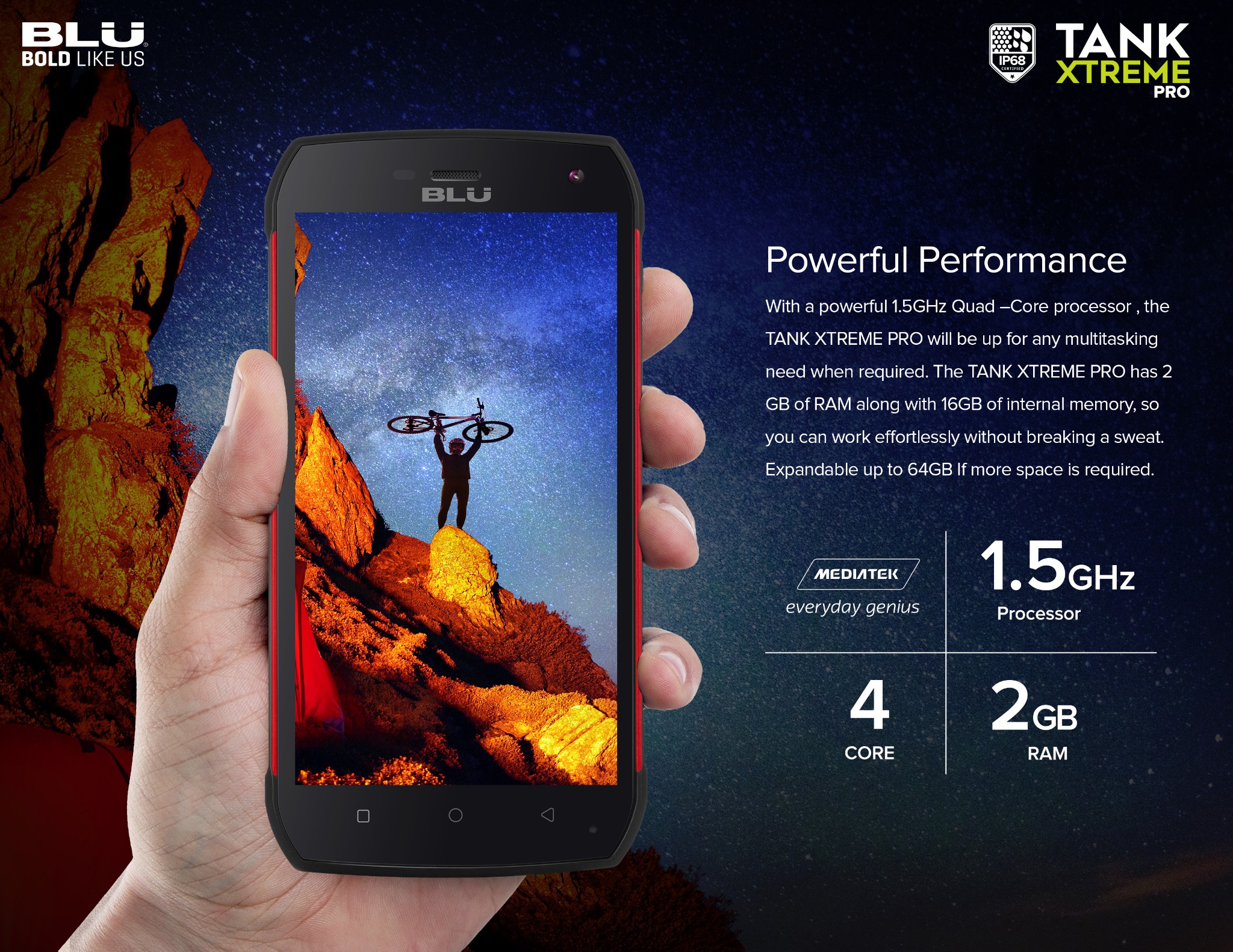
A repeatable path from product data to launch ready assets.
-
01
Receive and verify
Review specifications, early renders, colors, names, and launch requirements with product and overseas teams.
-
02
Find the lead story
Choose the feature that matters most for this device, such as battery, display, camera, durability, design, or value.
-
03
Build the master campaign
Define the visual idea, image treatment, hierarchy, product copy, and reusable layout rules.
-
04
Adapt by channel
Translate the master story into web, email, social, video, packaging, point of purchase, and retailer formats.
-
05
Check production
Verify sizes, variants, specifications, legal text, retailer rules, exports, and print readiness.
-
06
Release and support
Deliver organized files, answer production questions, and update assets when the product or channel changes.
The product feature shaped the creative idea.
Display
Use color, scale, and edge detail to make the screen benefit visible.
Camera
Show the kind of moment the customer could capture, then support it with simple specifications.
Battery and performance
Turn technical capacity into a clear promise about everyday use.
Design and color
Make material, finish, and silhouette feel intentional and desirable.
Ruggedness
Use environment, texture, and performance evidence to build confidence.
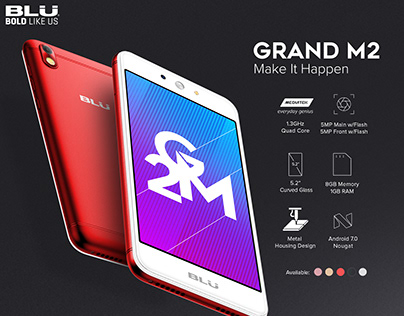
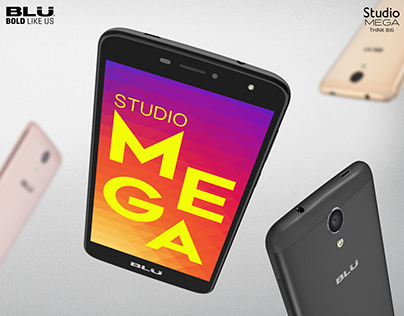
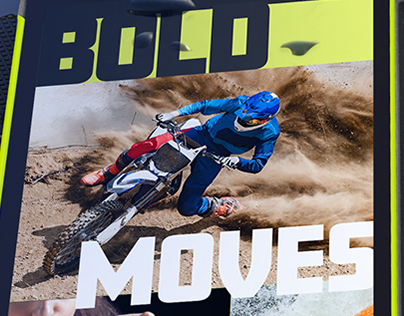
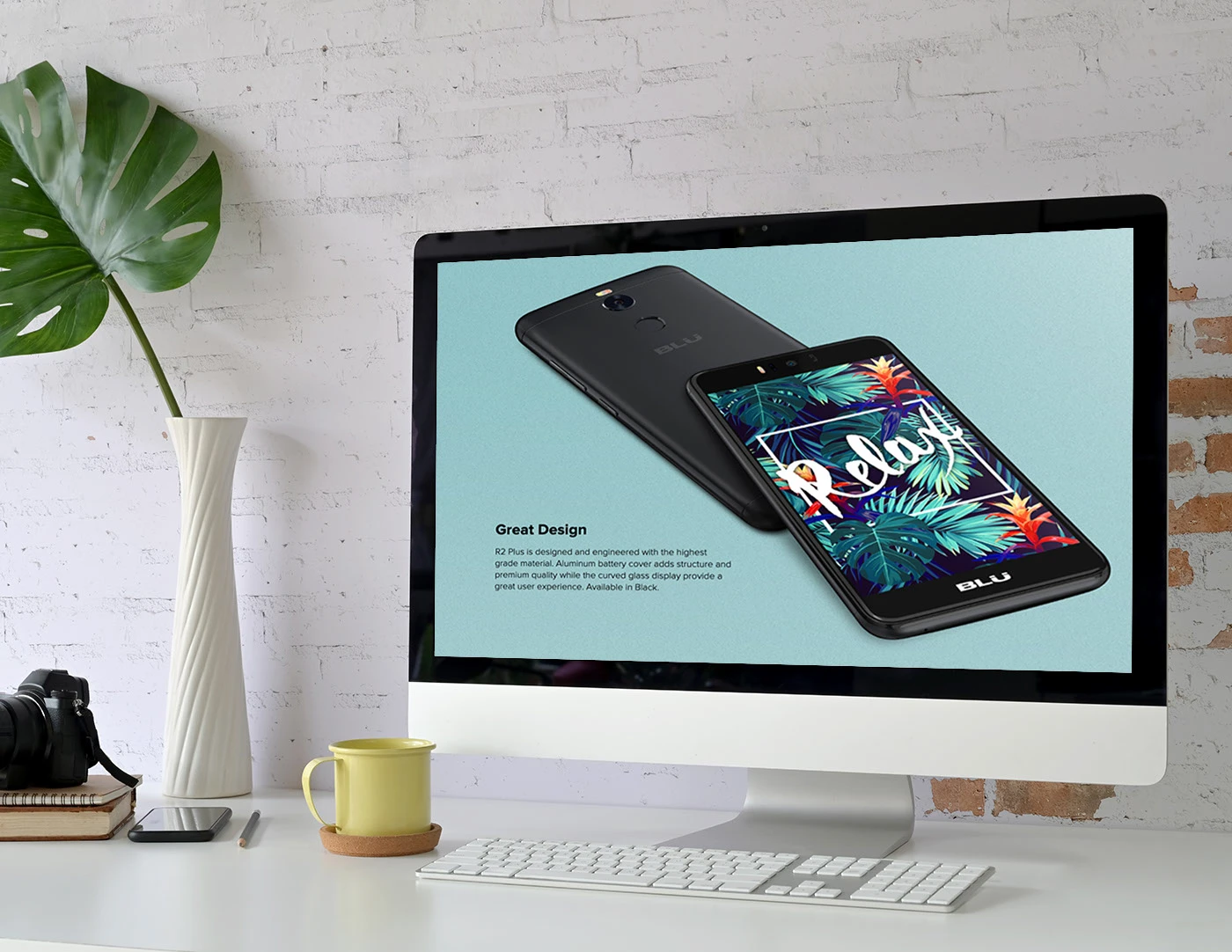
One product page had to explain the phone in seconds and keep rewarding the scroll.

- Opening
Strong visual opening with the full device family.
- Hierarchy
A clear hierarchy from design to display, performance, camera, color, software, and specifications.
- Proof
Feature sections that pair one main claim with one visual proof.
- Sequencing
Technical information delayed until the user has context.
- Rhythm
A consistent rhythm that supports a very long page.
Product discovery worked best when the page answered one question at a time.
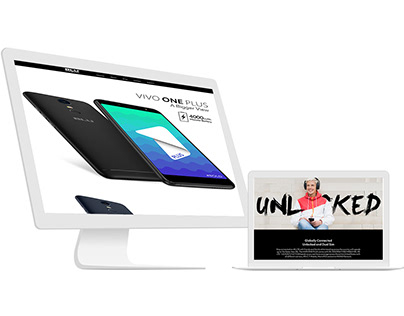
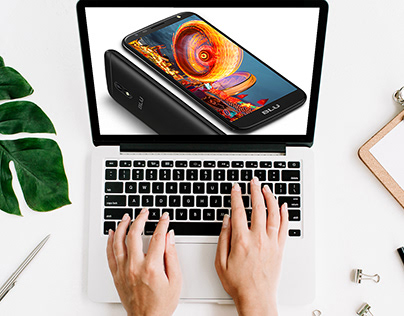
One master campaign, many retail environments.
Each partner had its own dimensions, typography rules, copy limits, image requirements, promotional calendar, and customer expectations. Walmart, Best Buy, T Mobile, Sprint, and BrandsMart USA did not treat a product asset the same way. The goal was to preserve the device story while making the asset feel native to the partner's platform.
Brand compliance
Logo use, campaign typography, and product naming stayed consistent with BLU rules.
Product accuracy
Renders, colors, storage, and network details matched the approved final device.
Channel dimensions
Every partner format had its own sizes, safe areas, and copy limits to respect.
Retail readiness
Files were exported, named, and packaged so the partner could publish without rework.
Public context: in September 2018 BLU announced the VIVO XI Plus and VIVO XI as a Best Buy exclusive launch. Retail partnerships were company decisions. My work was the campaign adaptation they required.
A launch was a family of connected assets.
Digital
Product website, retailer page, email blast, social post, web banner, animation, and video edit.
Retail
Packaging, point of purchase display, in store signage, pricing cards, retailer artwork, and billboard.
Sales
Brochure, catalog, presentation, specification sheet, and multi page product guide.
Events
Booth concept, large format graphics, display screens, handouts, and on site signage.
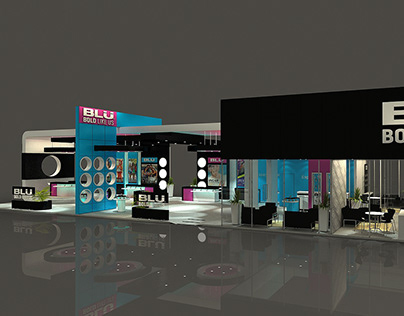
The final image often had to be built before it could be marketed.
Photoshop
Cleaning product renders, matching finishes, building realistic shadows, compositing scenes, correcting screens, and preparing retailer ready images.
Illustrator
Icon systems, specification graphics, vector layouts, signage, packaging, and scalable campaign elements.
InDesign
Multi page guides, catalogs, sales documents, and production ready page systems.
Premiere Pro and After Effects
Promotional edits, product animation, and social motion built from the same campaign material.
Clear communication protected the work when teams were far apart.
Device renders and technical details could come from production partners in China, while final assembly, branding, sales, and warehouse needs were handled locally. Most costly mistakes were caught by checking the same short list every time, in writing, before anything moved to production.
The system also extended beyond the phone box.
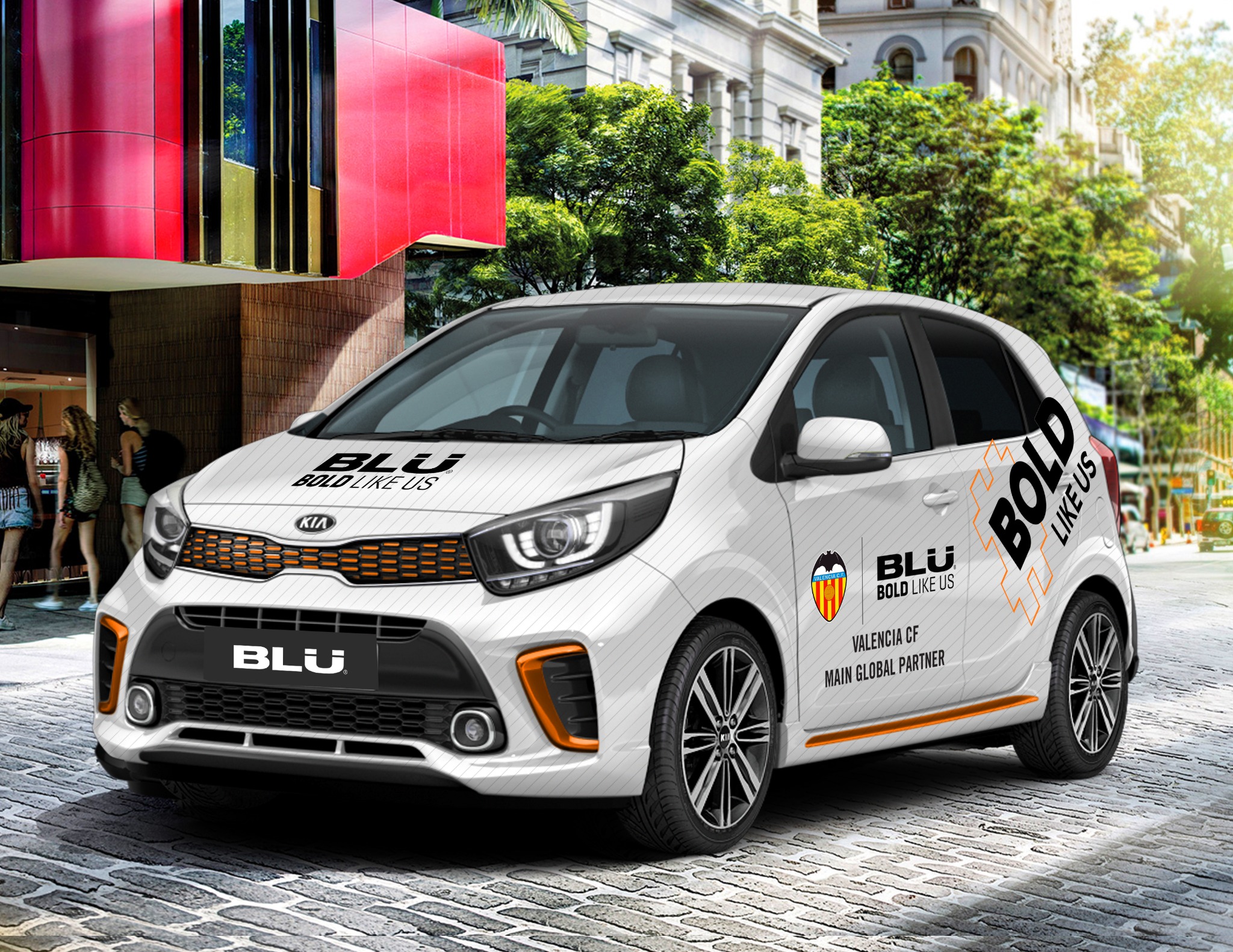
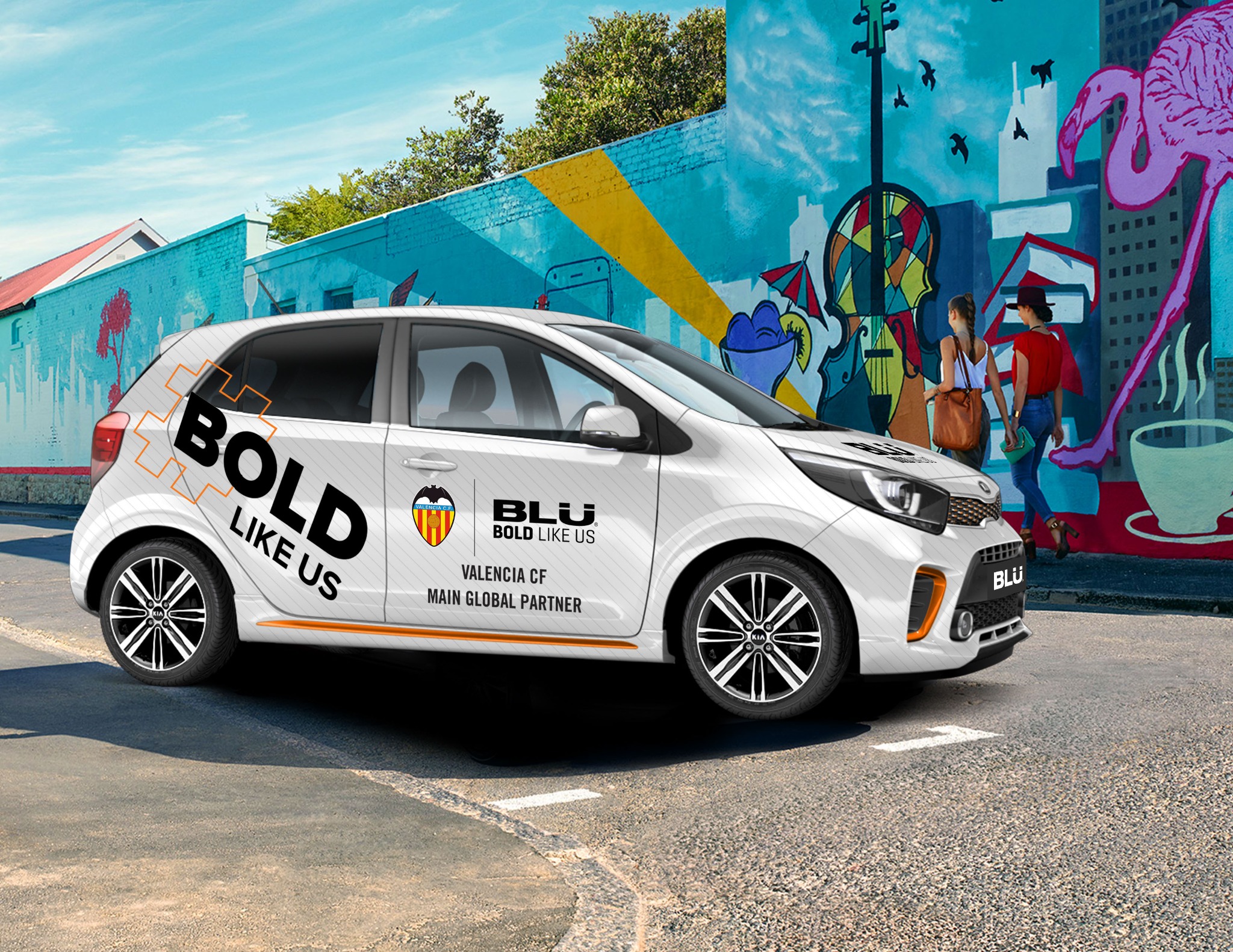
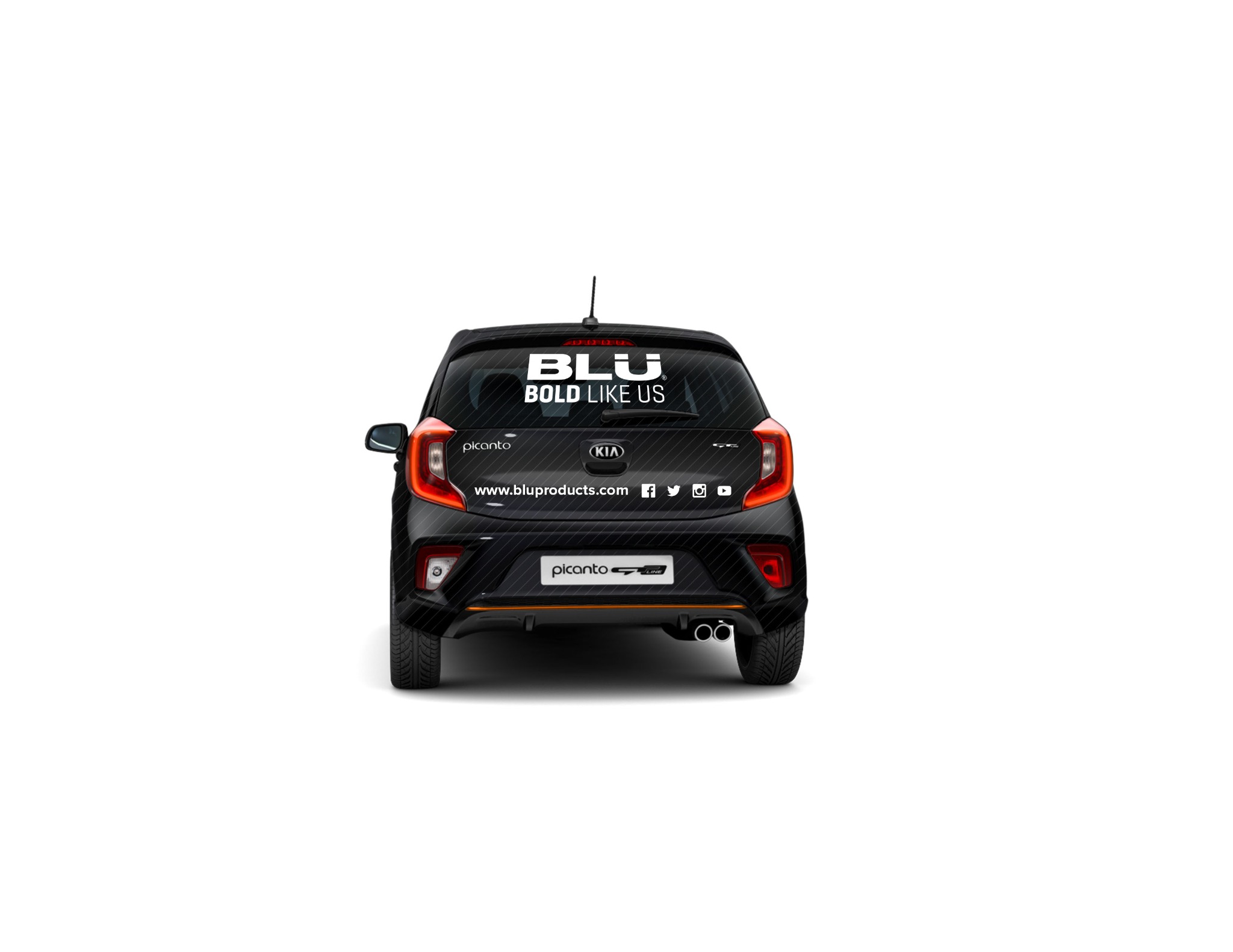
The Valencia CF vehicle work is a secondary example of the same adaptation habits applied to a sponsorship. It shows cross channel brand application rather than a phone launch, and the constraints were physical instead of digital.
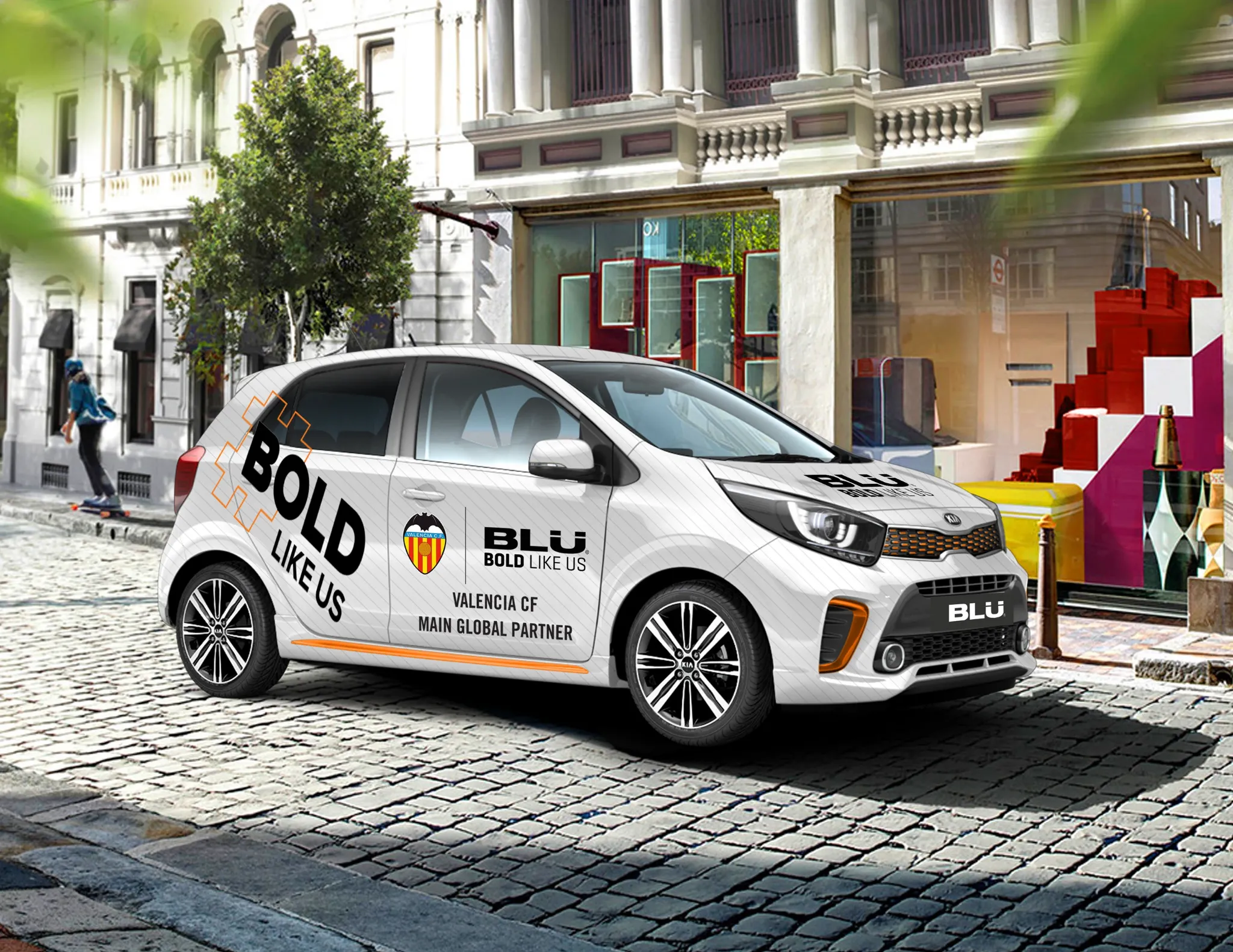
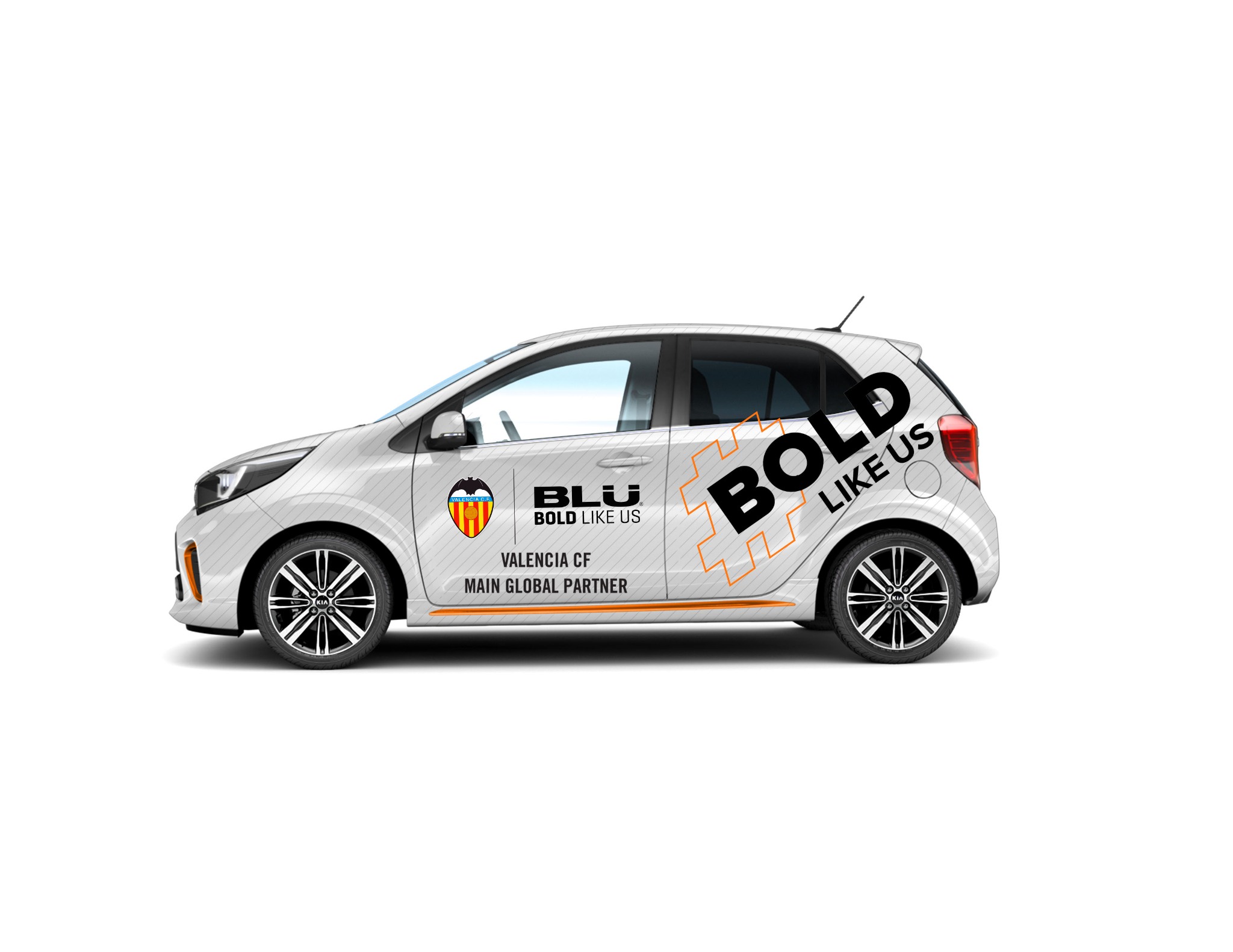
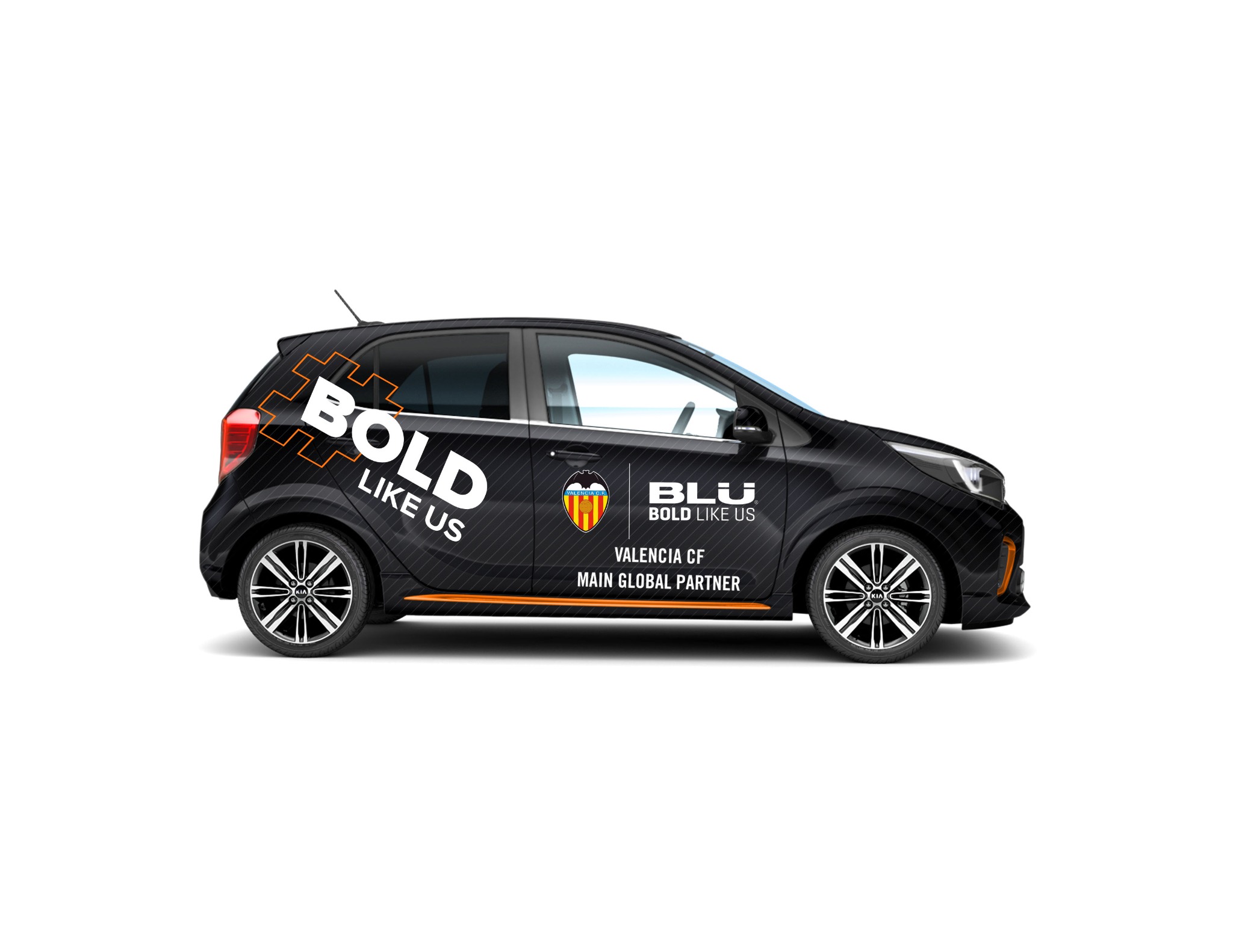
Speed came from a clearer system, not from skipping the details.
Start with verified product information.
Build a master story before resizing assets.
Separate shared campaign rules from retailer specific rules.
Package decisions with the files so the next team knows what changed and why.
The work taught me that a design system can be a production system too. Reusable structure made room for better ideas while protecting accuracy under pressure.
What success should be measured.
Recommended launch measurement framework. These are definitions I would use on a launch today, not results from this period.
Launch readiness
Approved assets divided by required assets, measured at the release date.
Accuracy
Count of specification or variant corrections raised after final approval.
Retail acceptance
Assets accepted on first submission divided by assets submitted, by partner.
Production efficiency
Revision rounds per asset family and median turnaround time from brief to approval.
Digital engagement
Product page CTA rate, scroll depth, retailer click through, and video completion.
Email performance
Open rate, click through rate, and product page traffic attributed to the send.
Consistency
Channels using the approved master story and final render set, divided by channels in the launch.
A broader design foundation built through real launch pressure.
Supported more than 20 device launches across digital, retail, print, and event channels.
Built repeatable patterns that helped many assets feel connected without making every phone look the same.
Translated engineering information into customer friendly product stories.
Adapted BLU campaigns to major retailer requirements while protecting the core product message.
Developed early web, interaction, and responsive design skills that became the foundation for later product and UX work.
What I carried forward.
This role taught me to see a launch as one connected experience. The website, package, retail display, email, social post, sales guide, and event booth all shape the same customer understanding. The strongest work came from finding one clear product story, documenting it well, and adapting it with care.